
Simple locates, $200–$400
Short runs, decent access, leak confirmed and marked without drama.
The water bill knows something you don’t. Somewhere under a slab or behind a wall in Warrawee, a pipe is quietly feeding the ground, and finding it with instruments instead of a jackhammer is the difference between lifting three tiles and gutting a bathroom. We locate to centimetres, then repair through one deliberate hole.
A hidden leak cannot help giving itself away three times over. Escaping water under pressure sings at frequencies acoustic gear can chase along a pipe run; it changes the temperature of whatever it soaks, which thermal imaging paints in false colour through wall sheeting and slab surfaces; and it bleeds pressure from whichever isolated section of pipework it lives on, which a gauge catches cold. One signal suggests; three signals triangulate.
That triangulation is what you are actually buying. Where the readings converge, we mark the floor, and in Warrawee’s renovated homes, where pipework wanders in ways no council plan ever recorded, that mark routinely sits metres from where anyone would have started digging on instinct. The difference between those two points is the difference between lifting three tiles and re-doing a bathroom.
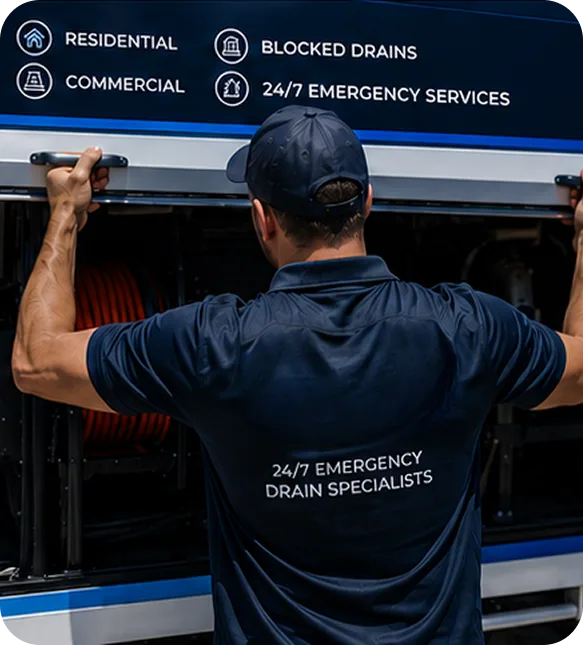

Warrawee’s large blocks and established gardens are full of mature trees whose roots seek out old pipe joints, easily the most common cause of recurring blockages here.
On a large block the service run from the meter to the house can be very long, all of it your responsibility, crossing ground that vehicles drive over and trees grow beside.
A leak anywhere along it is invisible from the house and expensive to find by digging. Correlation between two points on the run narrows it to a few metres, which is the entire difference between one excavation and a trench.
Warrawee’s heritage homes often still run decades-old clay pipes that crack and shift with age, letting roots and debris in and slowing every drain on the property.
Lath and plaster, pressed metal ceilings, original tiling and heritage listings all raise the cost of being wrong. In a period home the value of precise location is not the plumbing saved, it is the finishes not destroyed.
So we locate to the smallest area the equipment will support, and where a listing is in play we document what we propose to open before anything is touched.
A cracked earthenware line leaking into its own trench washes out the bedding supporting it. Losing support, the pipe sags; sagging, it holds water; holding water, it collects solids and eventually blocks.
Which is why a drain that has begun to block regularly and a drain that is leaking are frequently the same drain at different stages. Finding it early is considerably cheaper than finding it once it has collapsed.
On a property running tank water, a supply leak shows up as consumption rather than as water, a tank dropping faster than the household explains, or a pump cycling when nothing is being used.
A pump that starts periodically with every tap closed is the clearest leak indicator there is on a rural property, and it is worth acting on immediately. It means the system is losing pressure somewhere continuously.
Warrawee is a small, exclusive pocket of Sydney’s Upper North Shore (postcode 2074), tucked between Turramurra and Wahroonga along the rail line. It’s known for big leafy blocks, gracious heritage homes and quiet tree-lined streets off the Pacific Highway, and all that greenery means plenty of work for its ageing drains, ground we know well.
Older homes are a record of everyone who has worked on them. Original runs, a post-war bathroom teed in somewhere unexpected, a laundry added in the sixties, and nothing documented.
That is why detection on a heritage-era property starts by establishing where the pipes actually go. Tracing the layout is half the job and it is the half that prevents opening the wrong wall.
Not every escape of water is under pressure. A cracked drain leaks into the ground continuously without affecting the meter, without a pressure drop, and often without a single symptom inside the house.
The distinction decides the method. Pressure leaks are found with acoustics and the meter; drain faults are found with a camera and, where needed, a smoke or dye test.
A concealed leak is most often discovered by a water bill rather than by water. By then it has usually been running a full quarter, which is both the bad news and a useful clue about size.
Compare the last three bills rather than two. A single high quarter can be a garden or a visitor; a steady climb with no change in the household is a leak until something proves otherwise.
Short runs, decent access, leak confirmed and marked without drama.
First hour with the full instrument kit, acoustic, thermal, pressure, on a typical concealed leak.
Beyond the first hour: extended runs, tight access, multiple suspects to eliminate.
Deep slab lines and multi-storey mysteries at the top of Sydney's range.
Priced off exactly what the detection proved, fixed before it starts, same crew, same visit, no second call-out.
Weigh it against the alternative: exploratory demolition starts at more than detection costs, and it starts in the wrong place. Figures here are indicative of the 2026 Sydney market rather than a quote from us, you get your own number as a fixed price before any work starts.

Meter protocol, bills, history. If the evidence says no supply leak, you hear that for free, not a finding fee for nothing.
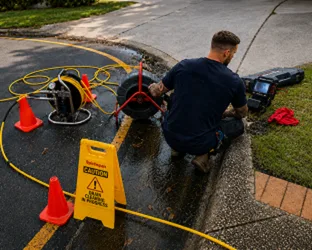
Section-by-section pressure isolation, hot against cold, run against run, until exactly one line owns the loss.

Thermal and acoustic sweeps along the guilty run until the signals stack on one spot. That mark is where, and only where, we open.
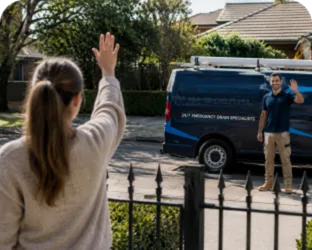
Access at the mark, section repaired, pressure re-tested, surface closed. A run in terminal condition gets reroute numbers before, not after.
Then it is real, running, and billing you daily. Detection this week beats discovery through a ruined floor next month.
Non-invasive detection, evidence before quotes, and one crew for the find and the fix.

Leave your details and our local Warrawee team will call you back fast.