
Call-out fee, $80–$180
What most Sydney plumbers charge to attend. Ask for it up front, anyone who will not name it on the phone is telling you something.
A burst pipe at 2am does not wait for business hours, and neither do we. One call reaches a licensed plumber, not an answering service, and a crew is dispatched to Warrawee with the gear to actually stop the problem, not just look at it.
Split a night shift with us and you would see the same short list on repeat: mains-pressure water escaping from a burst or a failed flexi hose, sewage rising through the lowest floor waste after roots close the line, hot water tanks letting go after years of quiet corrosion, and the gas smell nobody wants to be wrong about. Every one of them shares a rule, the damage compounds while you wait. First job on the phone is stopping that: for water, the meter’s stop valve, turned clockwise, buys you calm while the van is moving.
And then there are the calls people feel silly making, the only toilet in the apartment out of action, a drain backing up the evening before settlement, a unit block’s shared stack misbehaving on a Sunday. Make the call anyway. Between Warrawee, Turramurra, Wahroonga, Pymble and the rest of the Upper North Shore, someone from our crew is always on, and after-hours means a plumber at your door, not a message bank.

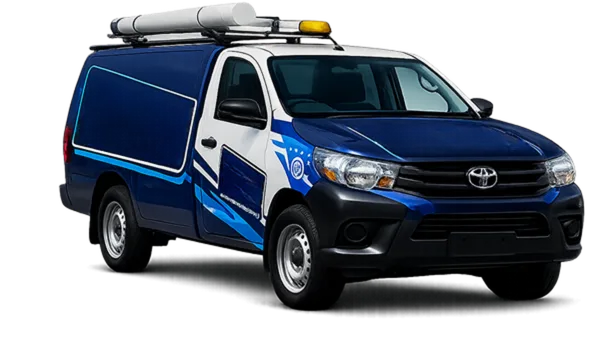
We would rather be straight about drive times than optimistic. Properties on the outskirts of Warrawee and out through Turramurra, Wahroonga, Pymble are further from the depot than the built-up streets, and at 3am the difference is real.
Warrawee’s large blocks and established gardens are full of mature trees whose roots seek out old pipe joints, easily the most common cause of recurring blockages here.
What does not change is what happens on the phone: the isolation advice, working out whether it is safe to wait until first light, and an arrival window we will actually meet rather than one that sounds better.
Warrawee’s heritage homes often still run decades-old clay pipes that crack and shift with age, letting roots and debris in and slowing every drain on the property.
A drainage system laid a century ago was built for a household that used a fraction of the water yours does. Add a second bathroom, a dishwasher and a washing machine, and lines that coped for decades start showing where they are weakest.
That is not an argument for replacing everything. It is an argument for knowing which sections are actually tired, so the money goes into those rather than into the whole run on the assumption that old means finished.
Heavy rain washes leaf litter and silt off Warrawee’s tree-lined gardens, clogging stormwater pits and gutters that then overflow across the yard.
A yard that floods in every serious downpour is a different problem from one that flooded once in a freak storm. The first is a blocked or undersized line and it will keep happening; the second is weather.
Telling them apart takes a camera on a dry day, not a guess in the rain. If it has happened twice, book the inspection between storms, clearing a surcharging pit at the height of it costs more and tells you less.
On a large block the run from the house to the connection point can be sixty metres or more, and all of it is yours. That is a lot of pipe with no street to inspect it from, crossing ground that vehicles drive over and trees grow beside.
It also means a blockage can sit a long way from anything you can see. A camera and a locator save real money here, the alternative is guessing, and guessing on a private line means digging.
The honest test is whether it is still getting worse while you wait. Water running where it should not, sewage coming back up inside, any smell of gas, or a total blockage in a home with one toilet: those cannot wait, and they get a van.
A dripping tap, a slow drain, a toilet that still flushes eventually: those are real jobs, but they are cheaper tomorrow and no worse for waiting. We will tell you which one you have before anyone gets in a vehicle.
Leave first, then call. No switches, no flames, no phone calls made inside the building: go outside, take everyone with you, and ring from there.
The number is 131 909: the gas network's emergency line, staffed around the clock. They attend and make the supply safe at no cost to you. Once it is safe, a licensed gasfitter finds and repairs the fault on your side of the meter, and that part is where we come in.
What most Sydney plumbers charge to attend. Ask for it up front, anyone who will not name it on the phone is telling you something.
Against roughly $120–$160 in business hours. Nights, weekends and public holidays sit at the top of the range.
Call-out, the first stretch of labour and minor parts, for the common jobs: an isolated burst, a blocked toilet, a failed valve.
Slab leaks, gas line faults and anything needing walls opened at 2am climb quickly. You will know the number before we start, not after.
If it can genuinely hold, isolated, contained, water off: we will say so on the phone and book you for daylight rates instead.
No number is invented after the fact, you approve the price before work starts, 2pm or 2am. Figures here are indicative of the 2026 Sydney market rather than a quote from us, you get your own number as a fixed price before any work starts.
You describe it; we tell you what to isolate right now, and give you a real ETA, plus an honest "this can wait" when it genuinely can.
Crews run stocked for the common failures, pipe and fittings, valves, flexi hoses, drain machines: so the fix does not wait for a supplier to open.
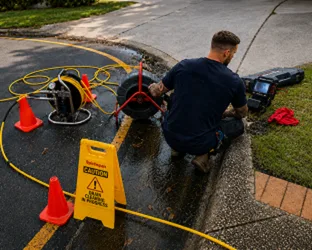
Damage gets stopped before anything else. Then you see a fixed price for the repair and decide with the number in front of you.

Nearly every emergency gets its permanent fix on the spot. Where a part truly has to wait, you are left watertight and working until it lands.
Two minutes describing it on the phone settles it. Genuine hold-overs get booked at daytime rates, genuine emergencies get a van.
The phone is the fast lane, any hour. After-dark form enquiries ring the on-call plumber directly, nothing waits for office hours.

Leave your details and our local Warrawee team will call you back fast.