
Common repairs, $150–$600
Elements, thermostats, thermocouples, relief valves: the parts that actually fail, fixed in a single visit. Most no-hot-water calls land here.
No hot water is a today problem, so we treat it like one. Gas, electric, continuous-flow and heat-pump systems repaired same-day across Warrawee, and when a system is genuinely done, you get the honest replace-versus-repair numbers, not a sales pitch.
The hot water trade has a thumb on the scale: a replacement invoices ten times a thermostat, and the customer is standing in cold water wanting it over. So "needs a new system" gets said a lot to people whose element died. The actual failure list is mundane and mostly cheap, elements and thermostats on electric tanks, thermocouples and pilots on gas, sensors and flow faults behind a continuous-flow unit’s error code.
Our order of operations in Warrawee never changes: instruments first. Elements get metered, gas sequences get checked, codes get read. When the verdict is a part, you get the part today. When a cylinder is genuinely finished, weeping seams, hot-side rust, double-digit age meeting a big repair: you get the repair quote and the replacement quote side by side with our reasoning, and the choice stays where it belongs: with you.
A house here usually means a storage tank with room for a solar or heat pump replacement. A unit in a block usually means an instantaneous system with strata rules and venting limits attached.
Properties beyond the gas network are choosing between electric storage, a heat pump, solar thermal with a booster, or bottled LPG. Each has a genuinely different cost profile and none of them is obviously right for every household.
The deciding factors are usually roof orientation, how many people are in the house, and whether there is solar generation to soak up. We will work through it with your actual numbers rather than a default recommendation.
energy.gov.au reports electric storage is used by around 50% of Australian households, cheapest to buy and generally dearest to run, while a heat pump uses roughly 30% of the energy of a conventional electric unit.
In older homes the hot water unit is often in an awkward spot, a narrow side passage, under a back stair, in a cupboard that was built around it. That was fine when it went in and it is a real constraint when it comes out.
Access affects both the cost of replacement and which units will physically fit. We measure the route before quoting rather than after, because a system that cannot be carried to the location is not an option however good the price.
Rainwater is soft and often slightly acidic, which is easier on a cylinder than hard water in some respects and harder on the anode in others. Sediment carried from a tank is the bigger issue, it settles in the bottom of a storage unit and insulates the element.
On tank supply, flushing the hot water unit annually matters more than it does on mains, and a properly maintained filter upstream extends the life of everything after it.
Two different faults look identical from the shower. Either the system has stopped heating, or it is heating and the hot is not reaching you.
Check another tap, ideally at the opposite end of the house. Hot everywhere else means a tap or mixer fault, not a heater fault. Nothing hot anywhere points at the unit, its power or gas supply, or the pipe leaving it: and that is worth knowing before anyone quotes on a replacement.
A tank that no longer lasts the morning is usually not broken. Sediment builds in the base and insulates the element, so less of the cylinder is genuinely being heated, and the element works harder for a smaller result.
Flushing the tank restores much of it. If flushing does not, the household has grown or the habits have changed, and the honest answer is that the tank is now undersized rather than faulty.
Stored water is deliberately kept at 60 degrees to suppress bacteria, then tempered down to a safe 50 at the tap. If your hot has become scalding, the tempering valve has usually failed, and that is a genuine safety issue in a house with children.
If it has become lukewarm, the same valve is a likely culprit before the heater is. Either way it is a small part, and it should be checked before anybody discusses a new system.
Elements, thermostats, thermocouples, relief valves: the parts that actually fail, fixed in a single visit. Most no-hot-water calls land here.
Gas valves, control boards on continuous-flow units, and bigger jobs on systems still worth the spend.
Like-for-like replacement when the tank is done. Gas storage runs $1,200–$2,200 installed.
Endless hot water, no tank to rust, and it frees the space the cylinder occupied.
After rebates. Costs the least to run of the lot, worth the numbers conversation on any replacement, not just the green one.
Repair or replace, you get both numbers side by side and the price is fixed before work starts. Figures here are indicative of the 2026 Sydney market rather than a quote from us, you get your own number as a fixed price before any work starts.

System type, rough age, what it is (not) doing: enough to load the likely part before the van leaves, which is what makes same-day real.
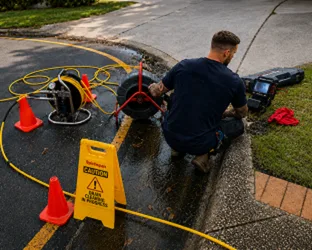
Elements metered, gas sequences traced, codes decoded. Diagnosis is a measurement, not a sales opportunity.
A live part gets fitted then and there. A dying tank gets you both prices, the reasoning, and zero pressure.
Repairs run same-visit; standard replacements called in early usually shower hot the same evening, installed to spec, old unit gone.
Early calls usually shower hot the same night. Tell us the system on the phone and the likely part rides out on the van.
Diagnosis first, honest numbers second, hot water third: usually all on the same day.

Leave your details and our local Warrawee team will call you back fast.